A seven-step framework to support our districts
CUBE Steering Committee Chair Joel Rodriguez highlights several focus areas —including workforce and talent development and innovative learning models—that can help light the way for democracy and for public education.
January 19, 2026
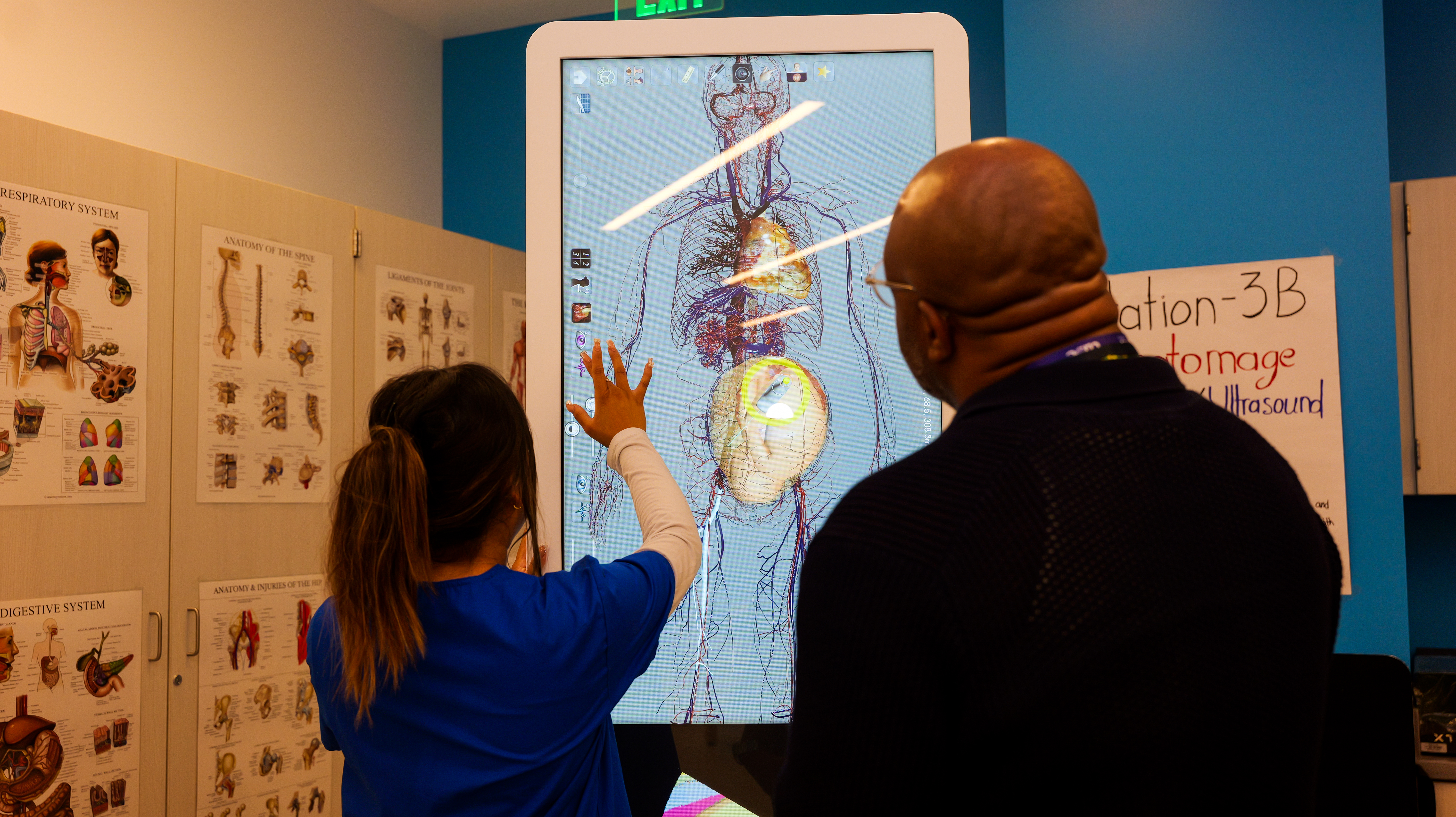
DURING THE 2025 CUBE ANNUAL CONFERENCE, SITE VISIT ATTENDEES MET WITH COMPTON UNIFIED SCHOOL DISTRICT STUDENTS AND TEACHERS AND LEARNED ABOUT INNOVATIVE LEARNING IN THE DISTRICT.
PHOTO CREDIT: NSBA
A rich tapestry of cities, cultures, and experiences shapes what urban education can be in America. As we consider the promise that we, as school board members, make to our communities, I would like to highlight several focus areas that have helped me see the light for our democracy and public education. I share this seven-step framework not as an expert with all the answers but as someone who believes in the power of leadership that is principled, courageous, and relentlessly focused on every child’s opportunity to learn, grow, and lead.
STEP 1: EQUITY & ACHIEVEMENT
Equity is the foundation. It is an organizing principle, not a program. Across the nation, districts are intensifying the daily practice of equity: high-quality coursework accessible to all, with targeted supports for students of color, multilingual learners, students with disabilities, students living in poverty, and migrant students. The strongest gains occur when rigorous instruction is paired with intentional supports—such as early literacy and math interventions, expanded AP/IB, CTE, and dual enrollment. Education is our most powerful ally in the fight for equality.
STEP 2: FUNDING & RESOURCES
Urban districts across states face funding instability, disparities in local wealth, and shifting federal priorities. Lasting progress occurs when districts engage in multiyear planning, transparent budgeting, and equity-focused resource allocation that values people, time, and infrastructure. The key is ensuring stability and clarity in budgeting aligned with specific equity goals to support your superintendent, teachers, student access, and support services.
STEP 3: WORKFORCE & TALENT
The heart of urban schools is the people who teach, counsel, lead, and support students. National studies indicate that strong induction, meaningful professional development, competitive local compensation, and a positive school culture are essential for teachers and principals. Additionally, there is increasing focus on student mental health, social-emotional learning, and wraparound support services as a part of our education system.
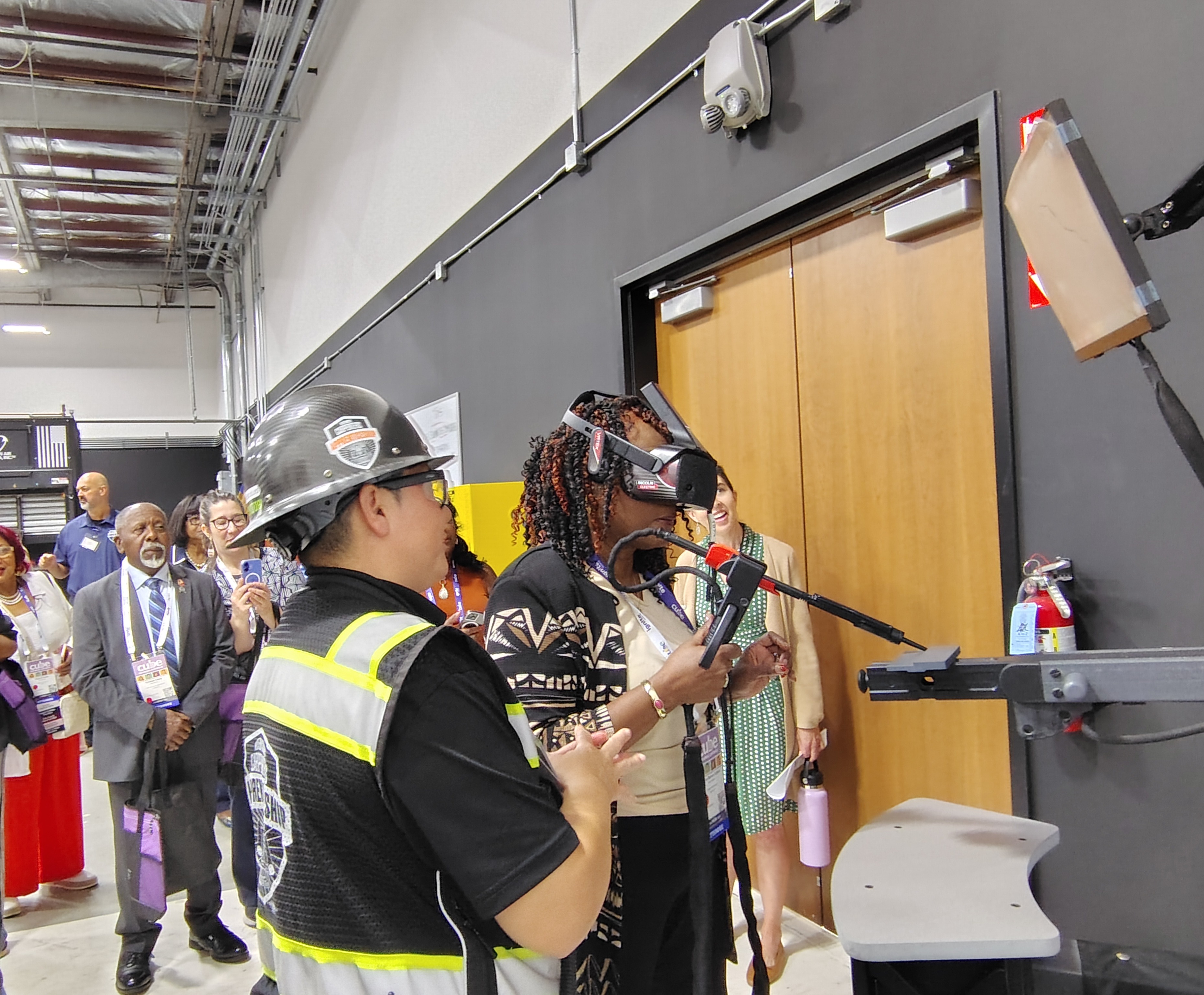 SOME CUBE CONFERENCE SITE VISIT ATTENDEES EXPERIENCED THE HANDS-ON LEARNING OFFERED BY THE WESTERN CARPENTERS APPRENTICESHIP PROGRAM.
PHOTO CREDIT: NSBA
STEP 4: DIGITAL ACCESS & THE LEARNING ECOSYSTEM
The digital divide remains real, but communities are innovating—improving device availability, reliable connectivity, in-school and after-school programs, and community partnerships that broaden learning beyond the bell. Technology amplifies equity when paired with solid pedagogy, device management, and accessible community hubs (libraries, youth centers, and local organizations).
STEP 5: STUDENT WELL-BEING & SAFETY
A variation of the popular proverb says: “It takes a village to raise a child, but he will tear it all down if he is not wanted.” We need to make our children feel seen. Well-being and academics are mutually reinforcing; you can’t have lasting learning without safe, supportive schools and city streets. Partnerships are essential for maintaining well-being and learning. It can’t be overstated that workforce support and culture are tied to student well-being and achievement.
STEP 6: INNOVATION AND LEARNING MODELS
Urban districts are piloting blended models, modular scheduling, expanding CTE pathways, and strengthening ties to higher education by partnering with local employers. The best innovations are designed not just for students, but with them, putting student voice at the center.
STEP 7: COMMUNITY ENGAGEMENT AND GOVERNANCE
Across the country, family voices, youth perspectives, and civic partnerships are shifting from consultation to co-design. This increases the legitimacy and relevance of policy decisions. Recording board meetings on web platforms and allowing parents to share their questions and comments with board members can be an easy starting point. Board governance works best when boards model transparency, listening, and accountability to students and families, not just to procedures.
CUBE members, your leadership shapes the climate in which teachers, students, and families thrive. Let us commit today, and every day, to steer our urban districts toward that future with courage, compassion, and relentless focus on what truly matters—the learning, growth, and well-being of every child we serve.
(This article is adapted from Rodriguez’s 2025 State of Urban Education address during the CUBE Annual Conference in Los Angeles.)
Joel Rodriguez (CUBEChair@nsba.org) is the 2025-27 chair of the CUBE Steering Committee and a member of Indiana’s School City of East Chicago Board of Trustees.